Research
Refractory angina: mechanisms and stratified treatment in obstructive and non-obstructive...
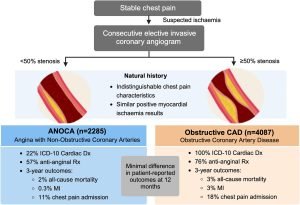
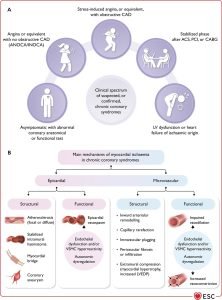
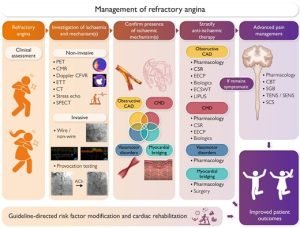
The diagnosis of refractory angina has conventionally been limited to patients with angina and ischaemia secondary to obstructive atherosclerotic epicardial coronary disease who experience persistent symptoms despite optimal pharmacological and revascularization therapies. It is now well-established that angina may also be caused by ischaemia resulting from coronary microcirculatory disorders, coronary vasospasm, and bridging in the absence of obstructive epicardial coronary disease or after “successful” revascularization.